
No products in the cart.
Merapi Sunrise Tour: An Honest First-Timer’s Account of What to Expect
Nobody tells you about the cold. You read about the jeep, the lava fields, the crater views at dawn. You…

Most visitors to the Yogyakarta region spend their days moving between the big sites: Borobudur, Prambanan, Merapi. That’s a fine itinerary.
But if you’re willing to add one more morning to your trip and head northwest toward the slopes of Mount Sumbing, there’s a trekking experience that consistently ranks among the most memorable things people do in Central Java, and almost nobody has heard of it before they go.
Selogriyo is a site in the Magelang regency of Central Java, roughly two hours from Yogyakarta and about an hour from Borobudur.
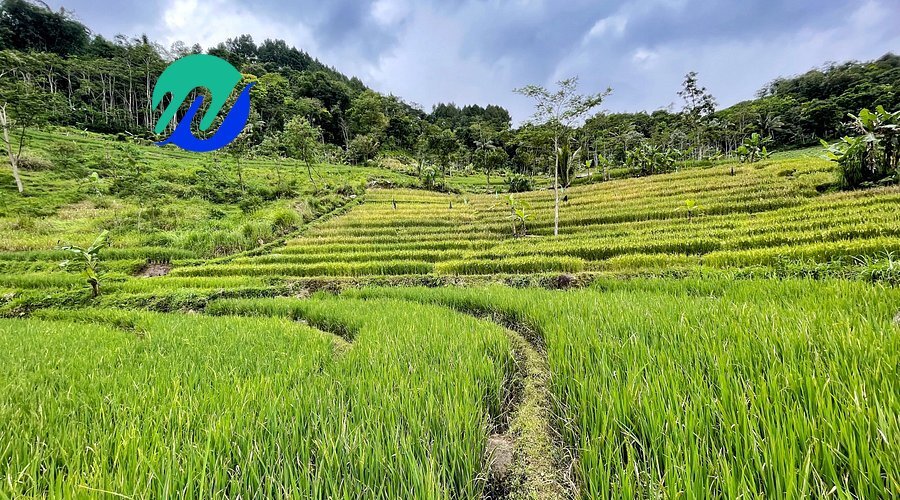
It sits at the base of Mount Sumbing, between two ridges called Giyanti and Condong, and the landscape it occupies is genuinely striking: terraced rice paddies cascading down volcanic hillsides, growing paddy, beans, corn, and coffee alongside banana and papaya trees, worked by farmers using methods that haven’t changed much in generations.
At the heart of the site is Candi Selogriyo, a 9th-century Hindu temple that predates most of the more famous temples in the region and receives a fraction of their visitors.
The temple sits surrounded by lush gardens and rice fields at the end of a paved path about 800 meters from the nearest vehicle access point. The walk in is part of the experience.
The main route to Selogriyo Temple is a well-maintained path of around 800 meters through the terraced fields. It’s not technically demanding, and most fitness levels can manage it comfortably, including older travelers.
The path winds between the paddies, through farming land, past traditional homes, and up to the temple at the top.
The terrain around the waterfall extension is a different story. If your tour includes the descent to Air Terjun Kedung Kayang at the end (many do), the trail down to the base of the falls is steep and can be slippery when wet. Sturdy shoes are necessary, not optional.
Several guides offer the choice to view the waterfall from the upper platform rather than descending, which is also a worthwhile stop on its own.
Total trekking time at Selogriyo is typically two to three hours on the ground, depending on pace and how long you spend at the temple and viewpoints.
The temple itself is small by the standards of Central Java’s major sites, and that’s part of what makes it appealing. Selogriyo is a quiet, functioning historical site without the tour group infrastructure of Borobudur or Prambanan. On most days you’ll have it nearly to yourself.
The architecture reflects the same Hindu traditions as the larger temples in the region, and the setting, backed by terraced hillsides with volcanic peaks visible behind, makes it one of the more photogenic lesser-known sites in Java.
Your guide will explain the temple’s history and its place in the broader Central Javanese kingdom era — context that’s much easier to absorb when you’re not competing with hundreds of other visitors for space.
Selogriyo works well as a standalone morning trip, but it also fits naturally into a longer Merapi itinerary. The Magelang area sits on Merapi’s northwestern flank, and the route between Selogriyo and the main Merapi jeep tour basecamps is manageable in a single day for early starters.
Wahyu Travel Indonesia’s Merapi Lava Tour & Selogriyo Rice Terrace Walk combines both experiences: off-road jeep through the volcanic landscape in the morning, then the soft trek through Selogriyo’s terraces in the late morning.
It’s a full day, but the contrast between the two landscapes, volcanic grey and agricultural green, makes them complement each other well.
Wear closed-toe shoes with grip. The paved path to the temple is manageable in most footwear, but anywhere near the waterfall or off the main path requires proper shoes.
Go early. The light in the rice terraces is best in the morning, the air is cooler before midday, and the site is quieter before any group tours arrive.
Bring a light rain jacket if you’re visiting outside dry season. The Magelang highlands can cloud over quickly in the afternoon, and the descent to the waterfall gets significantly more difficult when wet. Bring cash for the entrance fee and any local purchases. Facilities on site are minimal.
